
technology
A controlled development process connects application requirements, battery design, prototype validation, compliance and scalable manufacturing.
Quality is designed into every project stage.
With 15 years of battery experience and a 30,000 m² manufacturing base, YC connects engineering decisions with prototype validation and production control.
Requirement Definition
Application, runtime, environment, space and market requirements.
System Engineering
Cell selection, electrical architecture, structure and BMS integration.
Prototype Build
Physical samples for fit, performance and interface verification.
Validation
Electrical, thermal, structural and application-focused testing.
Compliance
Support for applicable certification and transport documentation.
Production
Controlled manufacturing and final quality assurance for delivery.
From cells to complete battery systems.
- Cell selection & matching
- BMS & protection integration
- Electrical & structural design
- Thermal consideration
- Prototype validation
- Design for manufacturing
Compliance capabilities for market access.
Share your engineering and validation requirements.
Contact Engineering ↗Evidence before production decisions.
Prototype validation connects engineering assumptions with real battery behavior. Test planning is defined around the application, electrical architecture, mechanical integration and intended market requirements.
Electrical Review
Verify the battery system against defined voltage, capacity, protection and interface requirements.
Application Fit
Confirm pack space, connection, runtime and operating-environment considerations.
Prototype Feedback
Use validation findings to refine design details before scalable manufacturing.
- Application and duty cycle
- Voltage and capacity
- Mechanical envelope
- Communication interface
- Operating temperature
- Certification target
From requirements to reliable battery systems.
YC brings engineering, validation, manufacturing and delivery into one controlled development path for custom lithium battery packs.
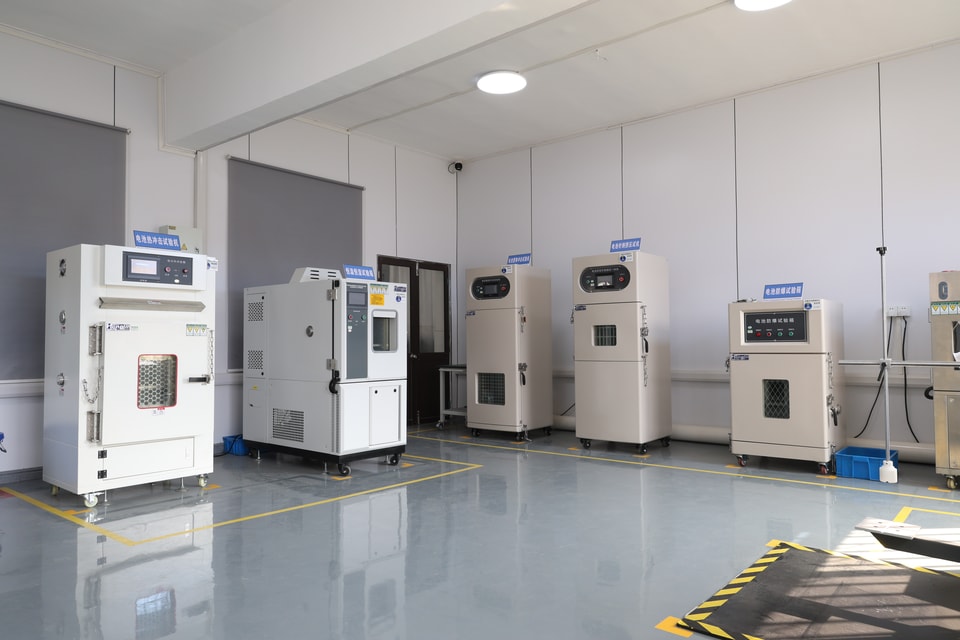
Define, design and prove the right architecture.
We translate operating conditions, mechanical limits, runtime targets and compliance needs into a practical battery specification before detailed engineering begins.
Definition & assessment
Application review, electrical load profile, environment, mechanical envelope, lifecycle target and risk assessment establish a clear technical baseline.
Design & development
Cell selection, series-parallel architecture, BMS strategy, thermal design, enclosure, connectors and communication interfaces are engineered as one system.
Verification & validation
Prototypes are checked against agreed requirements through electrical, mechanical, thermal, functional and application-level verification.
Certification support
Documentation, samples and test planning are prepared for applicable transport, safety and market-access requirements based on product and destination.
Build consistently, deliver globally, improve continuously.
Controlled processes connect incoming materials, assembly, traceability, final inspection and shipment, while field feedback supports the next engineering cycle.
Battery production
Work instructions, process controls, in-process inspection, end-of-line testing and traceability support consistent output from pilot build to volume production.
Global logistics
Packaging, documentation, transport coordination and destination planning are aligned with battery shipment requirements and customer delivery schedules.
Continuous improvement
Production data, nonconformance review and customer feedback feed corrective actions, design refinements and process optimization.
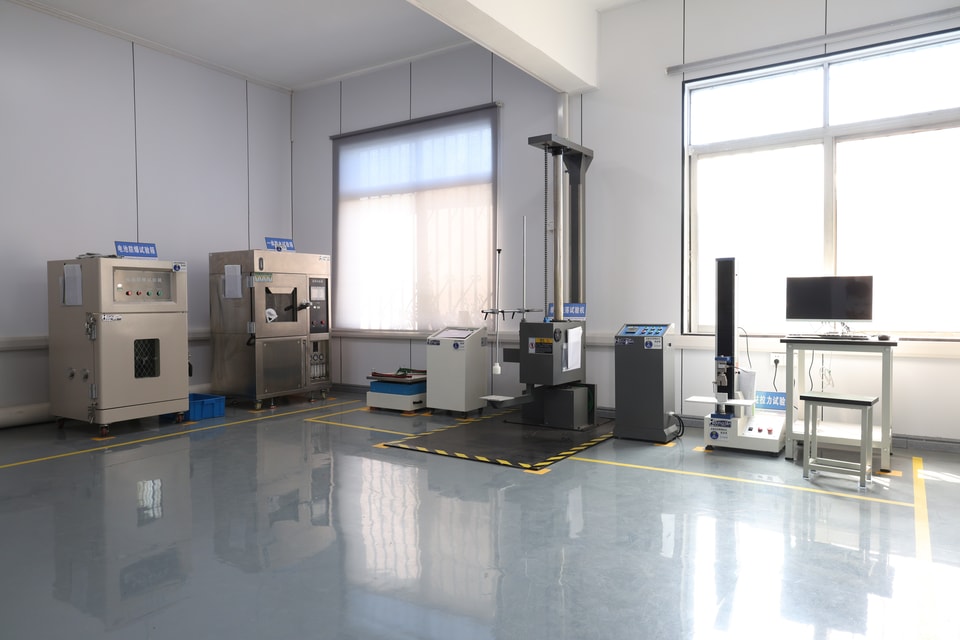
Reliability testing
Cycle life, temperature, vibration, shock, ingress and protection-function tests are selected according to the application risk and validation plan.
Discuss your battery project with our engineering team.
Prepare the battery system for its target market.
Compliance planning is integrated with the project requirements so documentation and applicable certification needs can be considered before production delivery.
Manufacturing evidence behind the battery system.
Engineering decisions need a production environment capable of translating drawings, prototypes and compliance requirements into consistent delivery.
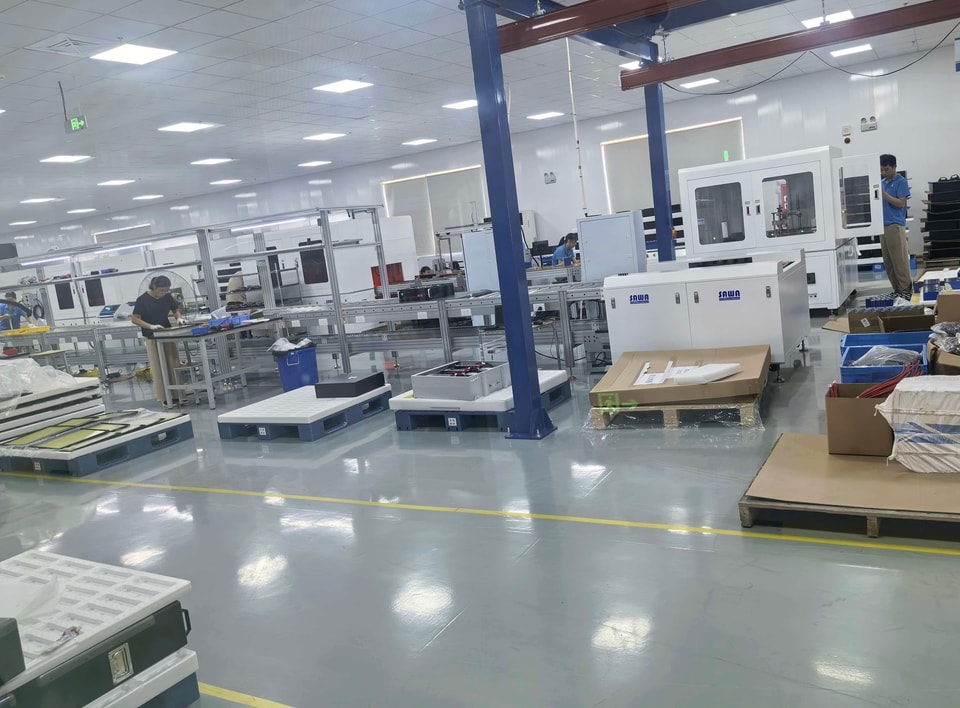
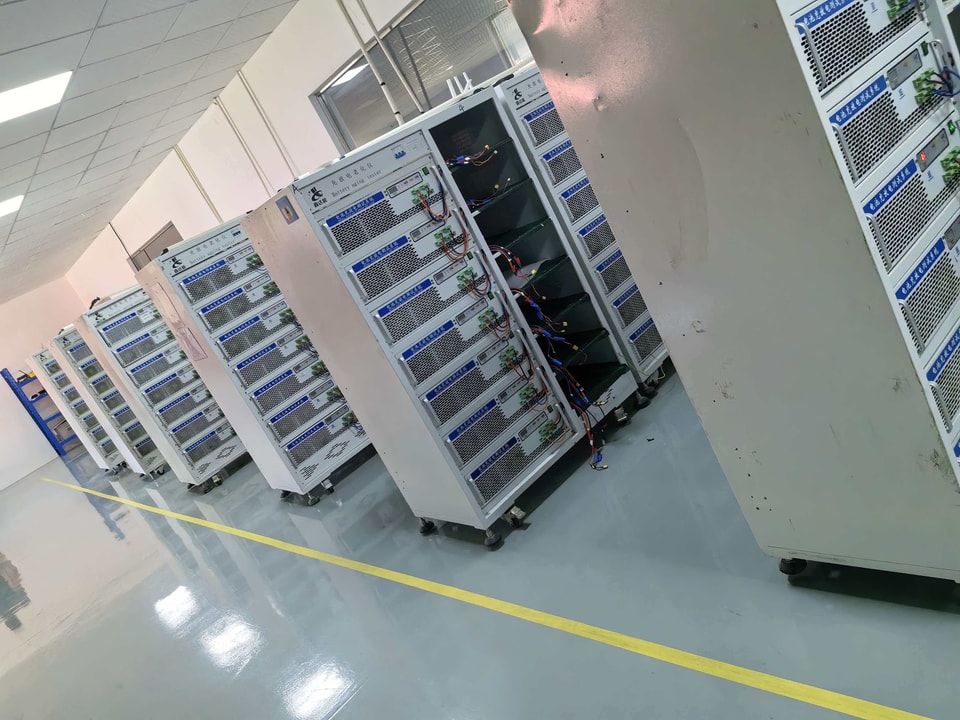
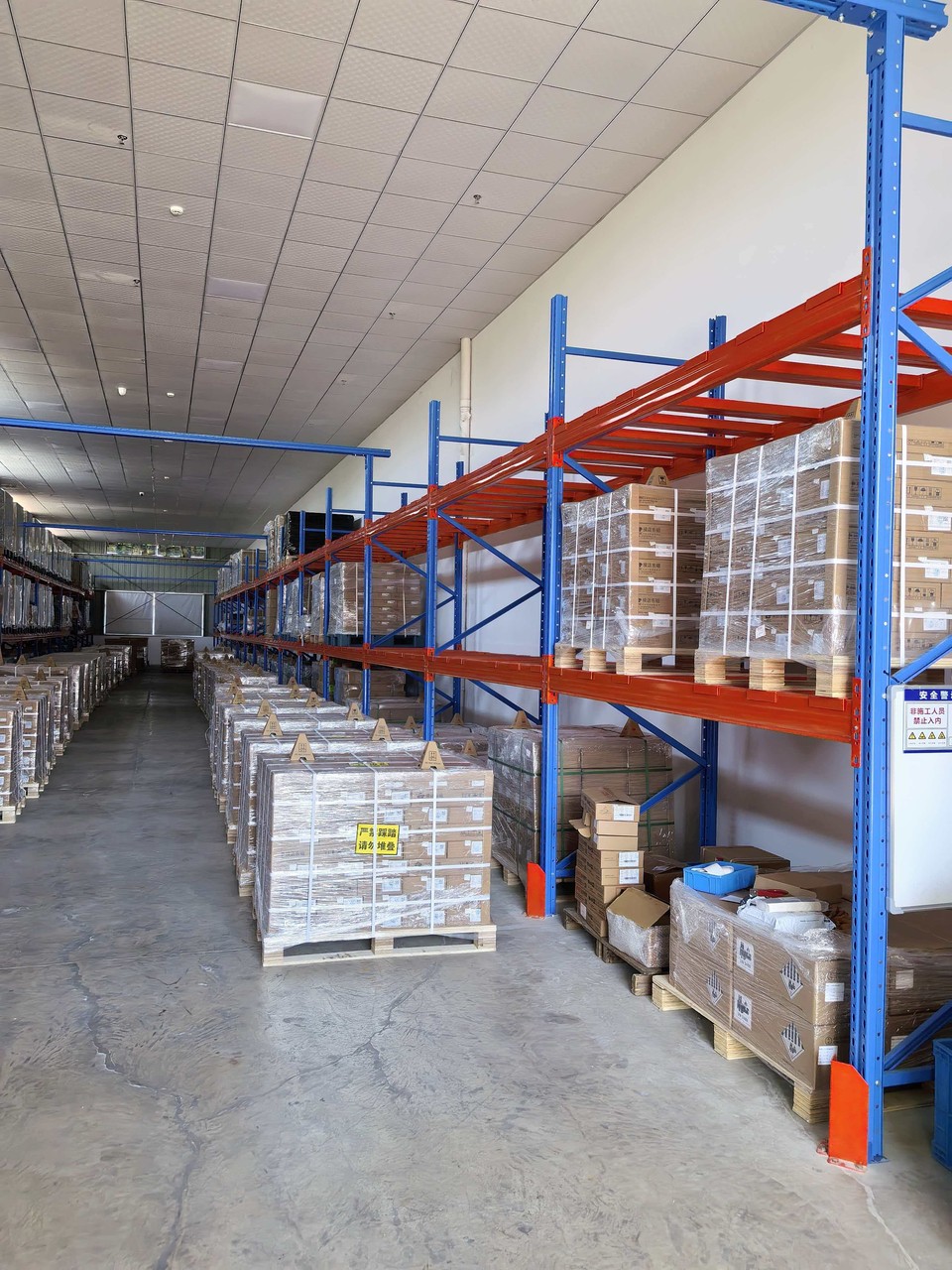
Requirement record · engineering review · prototype feedback · applicable certification support · production delivery information
Discuss validation requirements ↗
Jiangsu Yongchang New Energy Technology Co., Ltd. and Shanghai YC Electrotech Co., Ltd. deliver certified lithium battery solutions backed by 15 years of experience, a 30,000 m² manufacturing base and exports to 100+ countries and regions.
CERTIFICATIONS
- CE & CCC
- IEC 62133 & GB/T 28164
- UN38.3 & MSDS
- RoHS, CB & REACH
CONTACT US
- Gaoqiao, Houxian, Danbei Town, Danyang City, Jiangsu Province 212300, China
- Tel: +86 511 8639 1768
+86 189 5282 5827
+86 189 1283 8663 - Email: contact@yc-batteries.com
- Web: www.yc-batteries.com


